
Free State: The Historical and Agricultural Heart of South Africa
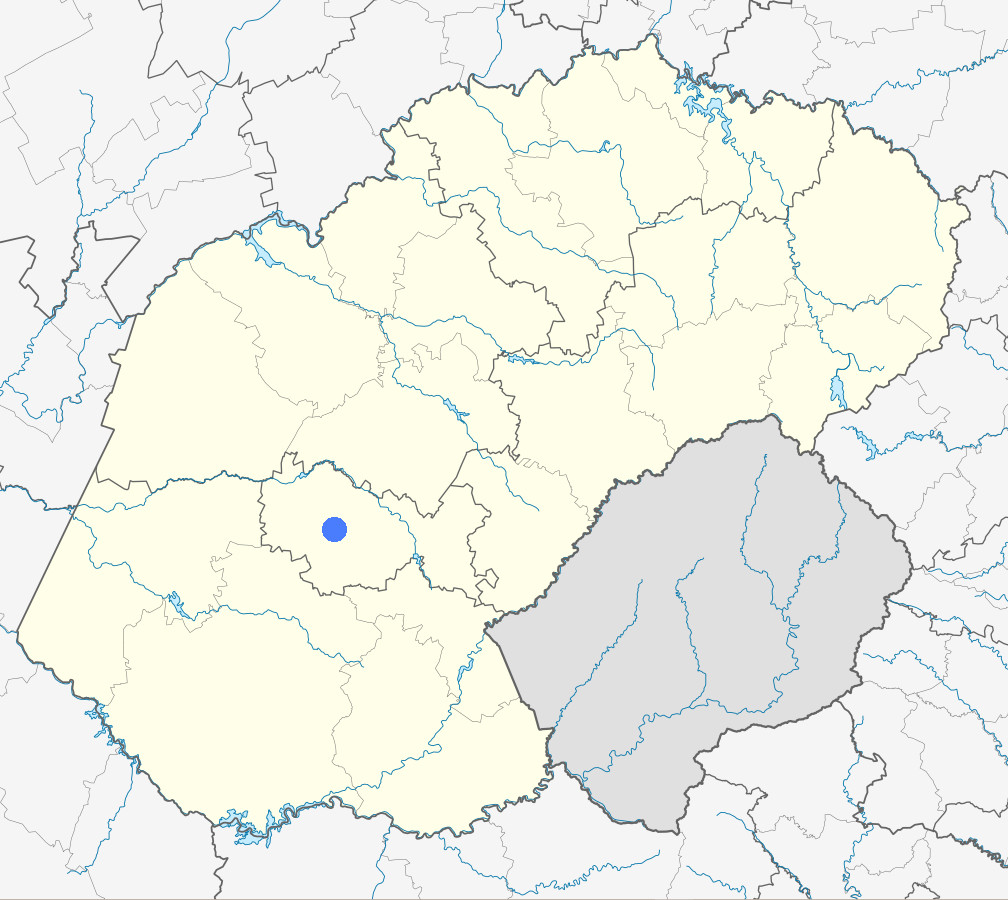
The Free State, often regarded as South Africa’s breadbasket, is centrally located and known for its vast open landscapes, rich cultural heritage, and agricultural strength. Unlike Gauteng’s compact size, the Free State is one of the largest provinces in South Africa, yet it has a relatively small population compared to its land area. Its capital, Bloemfontein, also serves as the country’s judicial capital, making the province an important pillar of South Africa’s governance, history, and economy.
Free State – Facts and Data
1. Free State – Origins and Etymology
The name “Free State” originates from the Orange Free State, a 19th-century Boer republic. The name reflects the region’s history of independence and self-governance before it became part of the Union of South Africa in 1910. The Sesotho name for the province is “Foreistata,” highlighting the linguistic diversity of the region.
2. Pre-Colonial and Early History of the Free State
Before European settlement, the Free State was home to various Sotho-speaking communities, including the Basotho. Rich archaeological findings and historic sites bear testimony to thriving cultures that existed long before colonial contact. Its central location made it a corridor for trade and migration across southern Africa.
3. Colonial Era and the Orange Free State
In the mid-19th century, the Orange Free State was established as an independent Boer republic after the Great Trek. The region became known for its farming communities and its conflicts with both indigenous groups and the British Empire. This era shaped the province’s cultural and political identity, leaving a legacy still visible today in its towns, monuments, and traditions.
4. Apartheid and the Struggle for Freedom
During apartheid, the Free State was deeply affected by segregationist policies, with black South Africans confined to “homelands” such as QwaQwa. Yet, the province also contributed to the broader struggle for democracy, producing leaders, activists, and communities who resisted oppression. Bloemfontein played a symbolic role, being the city where the African National Congress (ANC) was founded in 1912.
5. Post-Apartheid Transformation
After 1994, the Orange Free State officially became the Free State province, marking a new era of democracy and inclusivity. Since then, efforts have focused on economic diversification, improving infrastructure, and fostering cultural unity while still embracing the province’s farming traditions and heritage.
6. Economic Significance
The Free State is South Africa’s agricultural hub, producing maize, wheat, sunflowers, and livestock that feed the nation. Mining, particularly gold and diamonds, also plays a vital role in the province’s economy. While it contributes less to the GDP compared to Gauteng, its agricultural output is unmatched, making it indispensable to South Africa’s food security.
7. Cultural and Educational Landscape
The province has a rich cultural mix, influenced by both Afrikaans and Sesotho heritage. Bloemfontein hosts the University of the Free State, a leading academic institution in South Africa. The National Museum and the Oliewenhuis Art Museum offer insights into the region’s history, natural sciences, and arts. Annual cultural events, such as the Macufe Festival, showcase the vibrancy of Free State’s artistic expression.
8. Infrastructure and Connectivity
Due to its central position, the Free State is a major transport hub connecting all parts of South Africa. National roads such as the N1 and N3 pass through the province, linking Johannesburg, Durban, and Cape Town. Though it lacks a high-speed rail system like the Gautrain, its road and rail networks are essential for the movement of goods and people across the country.
9. Demographics and Urbanization
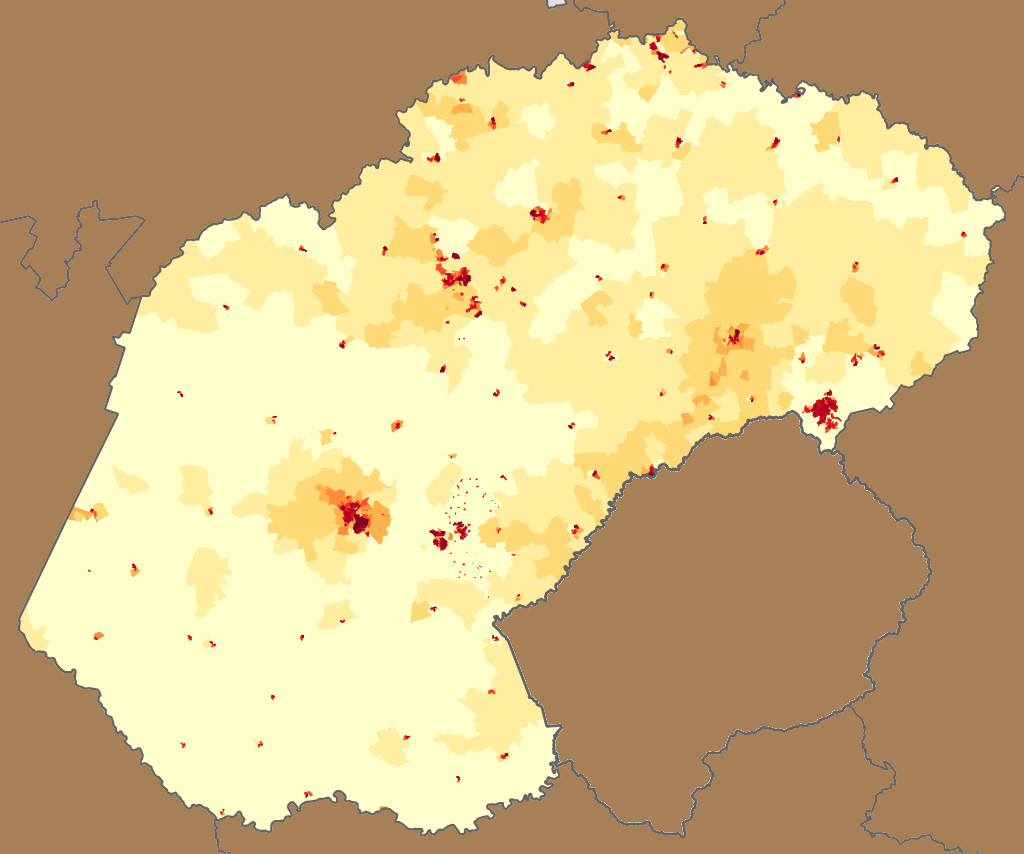
The Free State has a population of around 3 million, much smaller than Gauteng’s. Its largest urban center is Bloemfontein, but much of the population lives in smaller towns and rural communities. This rural character defines the province’s lifestyle, with strong community bonds and deep connections to the land.
10. Environmental and Natural Attractions
The Free State is famous for its wide horizons, sandstone mountains, and natural beauty. The Golden Gate Highlands National Park, with its striking cliffs and diverse wildlife, is a major tourist attraction. The Gariep Dam, the largest in South Africa, supports irrigation and recreation. Its open plains and star-filled skies make the province one of the most scenic and tranquil parts of the country.
Conclusion
The Free State embodies South Africa’s agricultural wealth, cultural heritage, and central role in the nation’s history. From its origins as the Orange Free State republic to its modern position as a democratic province, it tells a story of resilience, transformation, and identity. While it may not have the same economic weight as Gauteng, the Free State’s contribution to food production, history, and culture makes it indispensable to South Africa’s narrative. As the province continues to evolve, it remains a land of wide horizons and deep-rooted significance.